
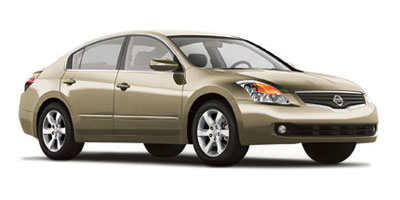
Vehicle Photos
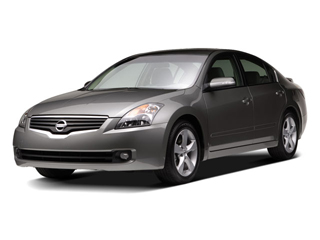 Exterior Photos
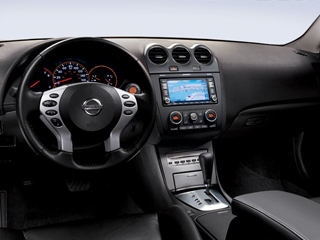 Interior Photos
Exterior Photos
Interior Photos
2009 Nissan Altima
2009 Nissan Altima Rebates and Incentives
Prices and Incentives
Dealer Price:
$19,900 - $29,380
Original MSRP:
$19,078 - $27,221
See all New Car Incentives & Rebates
NHTSA CRASH TEST RESULTS
See all Safety Rating Results
| Overall Safety Rating |
Frontal crash ratings: Driver:  Passenger: Passenger: Side crash ratings: Driver: Rear Passenger: Results based on a 35 MPH frontal crash and 38.5 MPH side crash. Results are reported in a range of one to five stars, with five stars indicating the best crash protection for vehicles within the same weight class. This test used driver and passenger belts and airbags. NHTSA ROLLOVER RESISTANCE RATING: The Rollover Resistance Rating is an estimate of your risk of rolling over if you have a single vehicle crash. It does not predict the likelihood of that crash. The Rollover Resistance Rating utilizes a "fishhook" maneuver which is a series of abrupt turns at varying speeds to see how "top-heavy" a vehicle is. The more "top-heavy" the vehicle, the more likely it is to roll over. The lowest rated vehicles (1-star) are at least four times more likely to roll over than the highest rated vehicles (5-stars). |
2009 Nissan Altima Review
The 2009 Nissan Altima Hybrid HEV comes with all of these standard features - full power accessories, anti-theft, valet lockout, child safety door locks, traction and stability control, hybrid battery, audio pre-wiring, CD changer with 6-speakers, automatic headlights, front air dam, chrome exhaust pipes, automatic climate control, rear ducts, temperature gauge, cruise control, steering wheel mounted controls, trip computer, start/stop button, tire pressure monitor, delayed courtesy lighting, intelligent card key, remote trunk, remote fuel door, trunk anti-trap, front dual reclining seats with manual lumbar, cloth seating, power and tilt steering column, locking and illuminated glove box, green tinted glass, speed sensing front wipers, rear defroster, power window lockout and power exterior mirrors.
These are some of the optional upgrades for the 2009 Nissan Altima Hybrid HEV: a sunroof, sunroof wind deflector, alloy kick plates, Connection Package, Technology Package, Convenience Package and a variety of other optional upgrades.
The 2009 Nissan Altima Hybrid HEV has a starting price of $26,650.
More Information:
2009 Nissan Altima Prices | 2009 Nissan Altima Features | 2009 Nissan Altima Options | 2009 Nissan Altima Tech Specs | 2009 Nissan Altima Safety |
The 2009 Nissan Altima Coupe 3.5 SE comes with these standard features - full power accessories, anti-theft, valet lockout, traction control, audio pre-wiring, CD changer with 6-speakers, fog lights, automatic headlights, front air dam, chrome exhaust pipes, manual air conditioning, rear ducts, temperature gauge, cruise control, steering wheel mounted controls, trip computer, engine start/stop button, tire pressure monitor, intelligent card key, remote trunk, remote fuel door, trunk anti-trap, front dual reclining seats, cloth seating, driver power seat with manual lumbar, power and tilt steering column, locking glove box, power sunroof, sunshade, tinted glass, speed sensing front wipers, rear defroster, power window lockout, power/heated/signaling exterior mirrors and illuminated vanity mirrors. *All features may not be standard on the 2.5 S.
These are some of the optional upgrades for the 2009 Nissan Altima Coupe: a sunroof deflector, alloy kick plates, a Premium Package, Technology Package and a variety of other optional upgrades.
The 2009 Nissan Altima Coupe has a starting price of $21,750.
The 2009 Nissan Altima 3.5 SL comes with these standard features - full power accessories, anti-theft, child safety door locks, traction control, audio pre-wiring, CD changer, speed sensing volume, MP3 player, radio data system, Bluetooth® access, fog lights, automatic headlights, automatic climate controls, rear ducts, temperature gauge, compass, cruise control, steering wheel mounted controls, trip computer, engine start/stop button, intelligent card key, remote trunk, universal garage door opener, remote fuel door, trunk anti-trap, front dual reclining and heated seats, leather seating, driver power seat with lumbar, power and tilt steering column, locking/illuminated glove box, power sunroof, sunshade, tinted glass, speed sensing front wipers, rear defroster, power window lockout, illuminated vanity mirrors and power/heated/signaling exterior mirrors. *All features may not be standard on all models.
These are some of the optional upgrades for the 2009 Nissan Altima: headrest DVD, rear spoiler, emergency aid package and a variety of other optional upgrades.
The 2009 Nissan Altima Sedan has a starting price of $19,900.
2009 Nissan Altima Hybrid
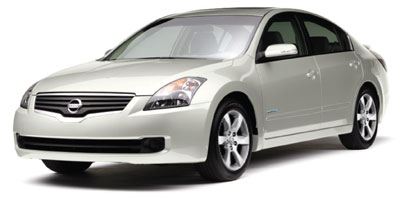
The 2009 Nissan Altima Hybrid has been carried over from 2008. The Nissan Altima Hybrid is a 4-door 5-passenger family sedan offered in one model only - the HEV. The Nissan Altima Hybrid HEV has a routine 2.5 liter, I4, 158hp hybrid engine and a variable speed automatic transmission. The 2009 Nissan Altima Hybrid HEV averages 35mpg city and 33mpg highway. A 36,000/36 month is the basic warranty for the Nissan Altima Hybrid HEV.The 2009 Nissan Altima Hybrid HEV comes with all of these standard features - full power accessories, anti-theft, valet lockout, child safety door locks, traction and stability control, hybrid battery, audio pre-wiring, CD changer with 6-speakers, automatic headlights, front air dam, chrome exhaust pipes, automatic climate control, rear ducts, temperature gauge, cruise control, steering wheel mounted controls, trip computer, start/stop button, tire pressure monitor, delayed courtesy lighting, intelligent card key, remote trunk, remote fuel door, trunk anti-trap, front dual reclining seats with manual lumbar, cloth seating, power and tilt steering column, locking and illuminated glove box, green tinted glass, speed sensing front wipers, rear defroster, power window lockout and power exterior mirrors.
These are some of the optional upgrades for the 2009 Nissan Altima Hybrid HEV: a sunroof, sunroof wind deflector, alloy kick plates, Connection Package, Technology Package, Convenience Package and a variety of other optional upgrades.
The 2009 Nissan Altima Hybrid HEV has a starting price of $26,650.
More Information:
2009 Nissan Altima Prices | 2009 Nissan Altima Features | 2009 Nissan Altima Options | 2009 Nissan Altima Tech Specs | 2009 Nissan Altima Safety |
2009 Nissan Altima Coupe
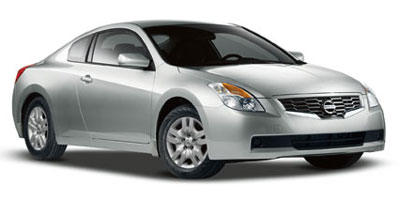
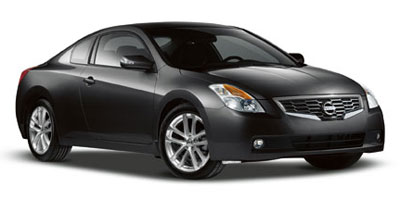
The 2009 Nissan Altima Coupe has been carried over from 2008. The Nissan Altima Coupe is a 2-door 5-passenger coupe offered in two models - the 2.5 S and the 3.5 SE. The Nissan Altima Coupe 2.5 S has a routine 2.5 liter, I4, 175hp engine while the Altima 3.5 SE has a 3.5 liter, V6, 270hp engine. The 2009 Nissan Altima Coupe models have a 6-speed automatic transmission. The 2009 Nissan Altima Coupe averages 20mpg city and 27mpg highway. A 36,000/36 month is the basic warranty for the Nissan Altima Coupe.The 2009 Nissan Altima Coupe 3.5 SE comes with these standard features - full power accessories, anti-theft, valet lockout, traction control, audio pre-wiring, CD changer with 6-speakers, fog lights, automatic headlights, front air dam, chrome exhaust pipes, manual air conditioning, rear ducts, temperature gauge, cruise control, steering wheel mounted controls, trip computer, engine start/stop button, tire pressure monitor, intelligent card key, remote trunk, remote fuel door, trunk anti-trap, front dual reclining seats, cloth seating, driver power seat with manual lumbar, power and tilt steering column, locking glove box, power sunroof, sunshade, tinted glass, speed sensing front wipers, rear defroster, power window lockout, power/heated/signaling exterior mirrors and illuminated vanity mirrors. *All features may not be standard on the 2.5 S.
These are some of the optional upgrades for the 2009 Nissan Altima Coupe: a sunroof deflector, alloy kick plates, a Premium Package, Technology Package and a variety of other optional upgrades.
The 2009 Nissan Altima Coupe has a starting price of $21,750.
2009 Nissan Altima Sedan
The 2009 Nissan Altima has been carried over from 2008. The Nissan Altima is a 4-door 5-passenger sedan offered in 4 models starting with the 2.5 and ranging to the 3.5 SL. The Nissan Altima 2.5 has a routine 2.5 liter, I4, 175hp engine while the Altima 3.5 SL has a 3.5 liter, V6, 270hp engine. The 2009 Nissan Altima models have a variable speed automatic transmission. The 2009 Nissan Altima averages 16mpg city and 30mpg highway. A 36,000/36 month is the basic warranty for the Nissan Altima.The 2009 Nissan Altima 3.5 SL comes with these standard features - full power accessories, anti-theft, child safety door locks, traction control, audio pre-wiring, CD changer, speed sensing volume, MP3 player, radio data system, Bluetooth® access, fog lights, automatic headlights, automatic climate controls, rear ducts, temperature gauge, compass, cruise control, steering wheel mounted controls, trip computer, engine start/stop button, intelligent card key, remote trunk, universal garage door opener, remote fuel door, trunk anti-trap, front dual reclining and heated seats, leather seating, driver power seat with lumbar, power and tilt steering column, locking/illuminated glove box, power sunroof, sunshade, tinted glass, speed sensing front wipers, rear defroster, power window lockout, illuminated vanity mirrors and power/heated/signaling exterior mirrors. *All features may not be standard on all models.
These are some of the optional upgrades for the 2009 Nissan Altima: headrest DVD, rear spoiler, emergency aid package and a variety of other optional upgrades.
The 2009 Nissan Altima Sedan has a starting price of $19,900.
Warranty Information
| Basic: | 3 Years/36,000 Miles |
|---|
Recalls Issued
| US NHTSA CAMPAIGN ID | 08V464000 |
|---|---|
| Mfg's Report Date | SEP 04, 2008 |
| Component | WHEELS |
| Number of Units Affected | 3403 |
| Summary | NISSAN IS RECALLING 3,403 MY 2009 ALTIMA VEHICLES EQUIPPED WITH 16-INCH ALLOY WHEELS. SOME THESE WHEELS MAY NOT HAVE BEEN MANUFACTURED TO SPECIFICATION. THIS COULD CAUSE ONE OR MORE OF THE FIVE LUG NUTS ATTACHING THE WHEEL TO THE VEHICLE TO BECOME LOOSE. |
| Consequence | IF THE LUG NUTS BECOME LOOSE, IT COULD EVENTUALLY RESULT IN A LOSS OF CONTROL AND A CRASH WITHOUT WARNING. |
| Remedy | DEALERS WILL INSPECT THE VEHICLE TO DETERMINE IF IT IS EQUIPPED WITH ONE OF THE AFFECTED WHEELS. IF IT IS, THE WHEELS WILL BE REPLACED WITH NEW ONES THAT HAVE BEEN MANUFACTURED TO THE CORRECT SPECIFICATION. THE RECALL IS EXPECTED TO BEGIN DURING SEPTEMBER 2008. OWNERS MAY CONTACT NISSAN AT 1-800-647-7261. |
| Notes | CUSTOMERS MAY CONTACT THE NATIONAL HIGHWAY TRAFFIC SAFETY ADMINISTRATION'S VEHICLE SAFETY HOTLINE AT 1-888-327-4236 (TTY: 1-800-424-9153); OR GO TO HTTP://WWW.SAFERCAR.GOV. |
2009 Nissan Altima Models & Prices
2009 Nissan Altima 2.5
| Dealer Price | Dealer Invoice Pricing | Estimated Payments | ||
|---|---|---|---|---|
| 4dr Sdn I4 CVT 2.5 | $19,900 | $19,078 | $311 / Month* | |
|
|
||||
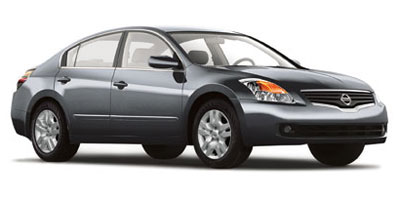
2009 Nissan Altima 2.5 S
| Dealer Price | Dealer Invoice Pricing | Estimated Payments | ||
|---|---|---|---|---|
| 4dr Sdn I4 Man 2.5 S | $21,040 | $19,728 | $322 / Month* | |
| 4dr Sdn I4 CVT 2.5 S | $21,540 | $20,195 | $329 / Month* | |
| 2dr Cpe I4 Man 2.5 S | $21,750 | $20,392 | $333 / Month* | |
| 2dr Cpe I4 CVT 2.5 S | $22,250 | $20,860 | $340 / Month* | |
|
|
||||
2009 Nissan Altima 2.5 SL
| Dealer Price | Dealer Invoice Pricing | Estimated Payments | ||
|---|---|---|---|---|
| 4dr Sdn I4 CVT 2.5 SL | $21,540 | $20,195 | $329 / Month* | |
|
|
||||
2009 Nissan Altima 3.5 SE
| Dealer Price | Dealer Invoice Pricing | Estimated Payments | ||
|---|---|---|---|---|
| 4dr Sdn V6 Man 3.5 SE | $25,180 | $23,337 | $381 / Month* | |
| 4dr Sdn V6 CVT 3.5 SE | $25,680 | $23,800 | $388 / Month* | |
| 2dr Cpe V6 Man 3.5 SE | $26,390 | $24,456 | $399 / Month* | |
| 2dr Cpe V6 CVT 3.5 SE | $26,890 | $24,919 | $406 / Month* | |
|
|
||||
2009 Nissan Altima Hybrid
| Dealer Price | Dealer Invoice Pricing | Estimated Payments | ||
|---|---|---|---|---|
| 4dr Sdn I4 eCVT Hybrid | $26,650 | $24,976 | $407 / Month* | |
|
|
||||
2009 Nissan Altima 3.5 SL
| Dealer Price | Dealer Invoice Pricing | Estimated Payments | ||
|---|---|---|---|---|
| 4dr Sdn V6 CVT 3.5 SL | $29,380 | $27,221 | $444 / Month* | |
|
|
||||
2009 Nissan Altima Features and Standard Equipment
EXTERIOR Features
| 2.5 | 2.5 S | 2.5 SL | 3.5 SE | Hybrid | 3.5 SL | |
|---|---|---|---|---|---|---|
| 16" x 7.0" alloy wheels | • | • | • | |||
| 16" x 7.0" steel wheels w/full wheel covers | • | • | ||||
| 17" x 7.5" alloy wheels | • | |||||
| 18" x 8.0" alloy wheels w/premium paint finish | • | |||||
| Auto on/off halogen headlights | • | • | ||||
| Auto on/off xenon HID headlights | • | |||||
| Body color bumpers | • | • | • | • | • | • |
| Body color door handles | • | • | • | • | • | • |
| Body color pwr heated manual folding mirrors w/integrated turn signals | • | • | ||||
| Body color pwr mirrors | • | • | • | • | ||
| Body color side molding | • | |||||
| Body-color front/rear splash guards | • | • | • | • | ||
| Bright side-window molding | • | • | • | • | • | |
| Compact spare tire | • | • | • | • | • | • |
| Flat blade speed-sensitive variable intermittent windshield wipers | • | • | • | • | ||
| Flat blade speed-sensitive variable intermittent windshield wipers w/mist function | • | • | ||||
| Fog lamps | • | • | ||||
| Halogen headlights | • | • | • | |||
| P215/55VR17 all-season tires | • | |||||
| P215/60R16 all-season tires | • | • | • | • | • | |
| P235/45VR18 all-season tires | • | |||||
| Pwr tilt/sliding glass moonroof w/sunshade, one-touch open/close | • | • | • | |||
| Speed-sensitive variable intermittent windshield wipers w/mist function | • | |||||
| UV reducing glass w/dark upper windshield band | • | • | • | • | • | • |
| Variable intermittent flat blade windshield wipers w/mist function | • |
INTERIOR Features
| 2.5 | 2.5 S | 2.5 SL | 3.5 SE | Hybrid | 3.5 SL | |
|---|---|---|---|---|---|---|
| 6-way driver/4-way passenger manual seat adjusters | • | |||||
| 60/40 split-folding rear seat w/lock | • | • | • | • | • | |
| 8-way pwr driver seat | • | |||||
| 8-way pwr driver seat w/manual lumbar support | • | |||||
| 8-way pwr driver seat w/pwr lumbar support | • | • | ||||
| Air conditioning w/micro filter ventilation | • | • | • | • | ||
| Auto-dimming rearview mirror w/compass | • | • | ||||
| Cargo net | • | • | • | |||
| Chrome-color door handles | • | |||||
| Cloth front seatbacks w/pockets | • | • | ||||
| Coin holder | • | |||||
| Contoured reclining front bucket seats w/adjustable head restraints | • | • | • | • | • | • |
| Cpe unique cloth seat trim | • | • | ||||
| Cruise control w/steering wheel mounted controls | • | |||||
| Driver/front passenger seat back pockets | • | • | • | • | ||
| Dual 12V DC pwr points | • | • | • | • | • | • |
| Dual bottle holders in center console | • | • | ||||
| Dual cup holders in rear center armrest | • | • | • | • | • | • |
| Dual sunvisors w/driver vanity mirror | • | |||||
| Dual sunvisors w/dual illuminated visor vanity mirrors, visor extensions | • | • | • | |||
| Dual sunvisors w/vanity mirrors | • | • | ||||
| Dual zone auto temp control w/rear-passenger floor vents | • | |||||
| Dual zone auto temp control, rear vents, micro filter ventilation | • | |||||
| Easy rear-access passenger seat lever | • | • | ||||
| Fixed rear bench seat | • | |||||
| Floor & trunk carpeting | • | • | • | • | • | • |
| Front assist grips | • | • | ||||
| Front console w/integral armrest, storage compartments | • | • | • | • | • | |
| Front console w/integral armrest, storage compartments, illuminated console lighting | • | |||||
| Front door map pockets | • | • | • | |||
| Front map lights | • | |||||
| Front map lights, rear reading lights | • | • | • | • | • | |
| Front/rear assist grips | • | • | • | • | • | • |
| Front/rear doors w/bottle holders/map pockets | • | • | • | • | • | |
| Grained plastic front seat backs | • | |||||
| Heated front seating | • | • | ||||
| HomeLink universal transceiver | • | • | ||||
| Instrumentation -inc: hybrid power/charge display, battery state-of-charge, fuel gauges | • | |||||
| Intelligent Key system | • | • | • | • | • | |
| Interior courtesy lamps-inc: glove box, trunk | • | • | • | • | • | • |
| Leather appointed seats | • | • | ||||
| Leather-wrapped shift knob | • | • | ||||
| Leather-wrapped steering wheel w/mounted cruise & illuminated audio controls | • | • | • | |||
| Leather-wrapped steering wheel w/mounted cruise controls | • | |||||
| Metallic charcoal/wood-tone interior trim | • | |||||
| Mood lighting | • | |||||
| Overhead console w/sunglass holder | • | • | • | • | • | • |
| Push-button ignition | • | • | • | • | • | • |
| Pwr door locks w/driver & passenger door lock switches, auto-lock feature | • | • | • | • | • | • |
| Pwr remote trunk release w/cancel switch | • | • | • | • | • | • |
| Pwr windows w/driver side auto up/down & auto-reverse | • | • | • | |||
| Pwr windows w/driver/front passenger 1-touch up/down & auto-reverse, key operated windows, key fob front up/down feature | • | • | • | |||
| Rear coat hook | • | • | • | • | • | • |
| Rear floor heat/A/C vents | • | |||||
| Rear seat heater vents | • | • | • | • | ||
| Rear window defroster w/timer | • | • | • | • | • | • |
| Remote hood & fuel-filler door releases | • | • | • | • | • | • |
| Retained accessory pwr | • | • | • | • | • | • |
| Simulated leather front center armrest & door trim | • | • | ||||
| Tachometer, coolant temp & fuel gauges | • | • | • | • | • | |
| Tilt & telescopic steering column | • | • | • | • | • | |
| Tilt & telescopic steering column w/mounted cruise controls | • | • | ||||
| Trip computer w/outside temp gauge | • | • | • | • | • | • |
| Triple bottle holders in center console | • | • | • | • | • | • |
| Vehicle immobilizer system | • | • | • | • | • | • |
| Vehicle info display | • | • | ||||
| Vehicle security system | • | • | • | • | • | • |
| Velour seat trim | • | • | • | • | ||
| Warning lights -inc: door ajar, low fuel, low washer fluid | • | • | • | • | • | • |
| Wood-tone interior trim | • |
MECHANICAL Features
| 2.5 | 2.5 S | 2.5 SL | 3.5 SE | Hybrid | 3.5 SL | |
|---|---|---|---|---|---|---|
| 2.5L DOHC 16-valve I4 engine | • | • | • | |||
| 2.5L DOHC 16-valve I4 engine w/40-hp electric motor | • | |||||
| 244.8V nickel metal hydride (NiMH) hybrid battery | • | |||||
| 3.5L DOHC 24-valve V6 engine | • | • | ||||
| 6-speed manual transmission w/OD | • | • | ||||
| Battery-saver timing device | • | • | • | • | • | • |
| Dual chrome-tipped exhaust finishers | • | • | • | • | • | • |
| Electric pwr vehicle speed-sensitive rack & pinion steering | • | • | • | • | • | • |
| Electronically controlled continuously variable transmission (eCVT) | • | |||||
| Engine cover | • | • | • | • | • | |
| Front wheel drive | • | • | • | • | • | • |
| Hybrid system power | • | |||||
| Independent front strut suspension w/stabilizer bar | • | • | • | • | • | • |
| Independent multi-link rear suspension w/stabilizer bar | • | • | • | • | • | • |
| Integrated regenerative braking | • | |||||
| Pwr front vented & rear solid disc brakes | • | • | • | • | • | • |
| Xtronic continuously variable transmission (CVT) | • | |||||
| Xtronic continuously variable transmission (CVT) w/manual shift mode | • | • | • | • |
SAFETY Features
| 2.5 | 2.5 S | 2.5 SL | 3.5 SE | Hybrid | 3.5 SL | |
|---|---|---|---|---|---|---|
| 2.5 mph energy absorbing front/rear bumpers | • | • | • | • | • | • |
| 3-point seat belts in all seating positions | • | • | • | • | • | • |
| ALR/ELR seat belt system for passenger seating positions | • | • | • | • | • | • |
| Anti-lock braking system | • | • | • | • | • | • |
| Brake assist | • | |||||
| Child restraint upper anchors | • | • | • | • | • | • |
| Child safety rear door locks | • | • | • | • | • | • |
| Clutch interlock | • | • | • | |||
| Driver & passenger supplemental dual-stage front airbags w/occupant classification sensor | • | • | • | • | • | • |
| Dual note horn | • | • | • | • | ||
| Electronic brake force distribution | • | • | • | |||
| ELR seat belt system for driver seating position | • | • | • | • | • | • |
| Emergency inside trunk release | • | • | • | • | • | • |
| Energy absorbing steering column | • | • | • | • | • | • |
| Front & rear crumple zones | • | • | • | • | • | • |
| Front seat active head restraints | • | • | • | • | • | • |
| Front seat belts w/pretensioners, load limiters, adjustable upper anchors, seat belt sensors | • | • | • | • | • | • |
| Front side-impact airbags | • | • | • | • | • | • |
| Front/rear roof mounted side curtain airbags | • | • | • | • | • | • |
| Lower anchors & tethers for children (LATCH) | • | • | • | • | • | • |
| Shift interlock | • | • | • | • | • | |
| Side-door guard beams | • | • | • | • | • | • |
| Tire pressure monitoring system (TPMS) | • | • | • | • | • | • |
| Traction control system (TCS) | • | • | • | |||
| Vehicle dynamic control | • | |||||
| Zone body construction | • | • | • | • | • | • |
ENTERTAINMENT Features
| 2.5 | 2.5 S | 2.5 SL | 3.5 SE | Hybrid | 3.5 SL | |
|---|---|---|---|---|---|---|
| AM/FM stereo w/CD player -inc: (6) speakers, aux input | • | • | • | • | ||
| Audio pre-wire w/(4) speakers | • | |||||
| Bluetooth hands-free phone system | • | |||||
| Bose AM/FM/MP3/WMA stereo system w/6-disc in-dash CD changer -inc: (9) speakers, speed-sensitive volume control, radio data system (RDS), aux input | • | |||||
| In-glass diversity radio antenna | • | • | • | • | • | |
| Roof mounted/diversity radio antenna | • | |||||
| XM satellite radio | • |
2009 Nissan Altima Options and Addition Equipment
ADDITIONAL EQUIPMENT Options
| 2.5 | 2.5 S | 2.5 SL | 3.5 SE | Hybrid | 3.5 SL | |
|---|---|---|---|---|---|---|
| [B10] SPLASH GUARDS | • | • | ||||
| [F01] CONVENIENCE PKG -inc: 16" alloy wheels, 8-way pwr driver seat w/manual lumbar support, auto on/off headlights, dual illuminated visor vanity mirrors w/extensions, leather-wrapped steering wheel w/audio controls, side cargo net, front passenger window w/1-touch auto up/down & auto-reverse, key cylinder activated front window up/down, key fob front window auto down (w/blonde interior-inc: wood trim finishers) | • | |||||
| [F01] CONVENIENCE PKG -inc: 8-way pwr driver seat w/adjustable lumbar, auto on/off headlights, dual illum visor vanity mirrors, sunvisor extensions, leather-wrapped steering wheel w/audio controls, rear spoiler, front passenger window w/1-touch auto up/down & auto-reverse, key operated front windows up/down, key fob operated front windows down, trunk side net (w/blonde interior-inc: wood trim finishers) | • | |||||
| [F01] CONVENIENCE PKG -inc: 8-way pwr driver seat, auto on/off headlights, dual illuminated visor vanity mirrors, sunvisor extensions, leather-wrapped steering wheel w/audio controls, trunk side net, front passenger window w/1-touch auto up/down & auto-reverse, key operated front windows up/down, key fob operated front windows down (w/blonde interior-inc: wood trim finishers) | • | • | ||||
| [F02] CONVENIENCE PLUS PKG -inc: pwr tilt & slide glass moonroof, 16" alloy wheels (w/blonde interior-inc: wood trim finishers) (REQ: F01 Convenience Pkg) | • | • | ||||
| [F10] FOG LAMPS (REQ: P01 Premium Pkg) | • | |||||
| [F10] FOG LAMPS (REQ: U01 Technology Pkg) | • | |||||
| [G01] REAR A/C VENTS | • | |||||
| [H01] CONNECTION PKG -inc: leather seat & door trim, heated front seats w/driver pwr lumbar, leather-wrapped shift knob, Bluetooth hands-free phone system, Bose AM/FM/MP3/WMA/CD-ROM stereo w/6-disc in-dash CD changer & (9) speakers, speed-sensitive volume control, radio data system, XM satellite radio, auto-dimming interior rearview mirror, HomeLink universal transceiver, compass, illum console lighting, folding exterior mirrors w/turn signals, rear seat A/C vents (w/blonde interior-inc: wood trim finishers) (w/charcoal interior-inc: metallic trim finishers) (REQ: F01 Convenience Pkg) | • | |||||
| [H01] CONNECTION PKG -inc: XM satellite radio, Bose AM/FM/MP3/WMA/CD-ROM audio system w/6-disc in-dash CD changer, (9) speakers, radio data system (RDS), speed-sensitive volume, Bluetooth hands-free phone system, dual zone auto temp control, rear seat A/C vents (REQ: F01 Convenience Pkg) | • | • | ||||
| [J01] MOONROOF PKG -inc: pwr tilt/sliding glass moonroof w/sunshade, one-touch open/close, auto-reverse (REQ: F01 Convenience Pkg or P01 Premium Pkg) | • | |||||
| [J01] MOONROOF PKG -inc: pwr tilt/sliding glass moonroof w/sunshade, one-touch open/close, auto-reverse (REQ: F01 Convenience Pkg) | • | |||||
| [P01] PREMIUM PKG -inc: leather appointed seats & door trim, heated front seats, driver pwr lumbar, Bluetooth hands-free phone system, XM satellite radio, Bose AM/FM/MP3/WMA/CD-ROM stereo w/6-disc in-dash CD changer, (9) speakers, radio data system (RDS), speed sensitive volume, dual zone auto temp control w/rear seat vents, compass, HomeLink universal transceiver, auto-dimming rearview mirror, leather-wrapped gear shift knob, illum console lighting, upper grade interior finish | • | |||||
| [P01] PREMIUM PKG -inc: pwr tilt & sliding glass moonroof w/sunshade, leather appointed seats & door trim, heated front seats, dual zone auto temp control, HomeLink universal transceiver, Bluetooth hands-free phone system, XM satellite radio, Bose AM/FM/MP3/WMA audio system, 6-disc in-dash CD changer, CD-ROM capability, (9) speakers, radio data system (RDS), speed-sensitive volume, auto-dimming rearview mirror w/compass, wood or metallic-look interior accents, auto up/down front passenger window, key fob windows down, door key cylinder windows up/down, leather-wrapped gear shift knob, illum console lighting, side cargo net (REQ: F01 Convenience Pkg) | • | |||||
| [P02] PREMIUM PKG -inc: leather appointed seats & door trim, heated front seats, Bluetooth hands-free phone system, XM satellite radio, Bose AM/FM audio system, 6-disc CD changer, (9) speakers, MP3/WMA/CD-ROM capability, radio data system (RDS), speed-sensitive volume, xenon high intensity discharge (HID) headlights, dual zone auto temp control, HomeLink universal transceiver, auto-dimming rearview mirror w/compass, leather-wrapped gear shift knob, illum console lighting, wood or metallic-look interior accents | • | |||||
| [R10] REAR SPOILER (REQ: U01 Technology Pkg) | • | • | ||||
| [S01] SPORT PKG -inc: high intensity discharge (HID) headlamps, vehicle dynamic control, fog lamps, rear spoiler | • | |||||
| [U01] TECHNOLOGY PKG -inc: navigation system w/6.5" color monitor, rearview monitor, XM NavTraffic, hybrid energy flow display w/energy/fuel history, steering wheel navigation controls (REQ: H01 Connection Pkg) *Deletes compass from rearview mirror* | • | |||||
| [U01] TECHNOLOGY PKG -inc: navigation system w/6.5" color monitor, XM NavTraffic, rearview monitor, steering wheel navigation system controls (REQ: H01 Connection Pkg, F10 Fog Lamps, R10 Rear Spoiler & B10 Splash Guards) *Deletes compass from rearview mirror* | • | |||||
| [U01] TECHNOLOGY PKG -inc: navigation system w/6.5" color monitor, XM NavTraffic, rearview monitor, steering wheel navigation system controls (REQ: P01 Premium Pkg & S01 Sport Pkg) *Deletes compass from rearview mirror* | • | |||||
| [U01] TECHNOLOGY PKG -inc: navigation system w/6.5" color monitor, XM NavTraffic, rearview monitor, steering wheel navigation system controls (REQ: P01 Premium Pkg) *Deletes compass from rearview mirror* | • | |||||
| [U01] TECHNOLOGY PKG -inc: navigation system w/6.5" color monitor, XM NavTraffic, rearview monitor, steering wheel navigation system controls (REQ: P02 Premium Pkg) *Deletes compass from rearview mirror* | • | |||||
| [U01] TECHNOLOGY PKG -inc: navigation system w/6.5" color monitor, XM NavTraffic, rearview monitor, steering wheel navigation system controls (REQ: V01 Vehicle Dynamic Control & R10 Rear Spoiler) *Deletes compass from rearview mirror* | • | |||||
| [V01] VEHICLE DYNAMIC CONTROL PKG (VDC) | • | |||||
| [V01] VEHICLE DYNAMIC CONTROL PKG (VDC) (REQ: U01 Technology Pkg) | • | • |
EMISSIONS Options
| 2.5 | 2.5 S | 2.5 SL | 3.5 SE | Hybrid | 3.5 SL | |
|---|---|---|---|---|---|---|
| [C01] CALIFORNIA (CAL) ULEV (ULTRA-LOW EMISSIONS VEHICLE) EMISSIONS *Available only in selected states such as California, New York, Vermont, Maine, Massachusetts & bordering states* | • | • | • | • | ||
| [C02] FEDERAL EMISSIONS | • | • | ||||
| [C03] 50 STATE EMISSIONS | • | • | • | • | • |
MODEL OPTION Options
| 2.5 | 2.5 S | 2.5 SL | 3.5 SE | Hybrid | 3.5 SL | |
|---|---|---|---|---|---|---|
| [G01] SL PKG -inc: leather appointed seats & door trim, heated front seats, HomeLink universal transceiver, compass, driver seat pwr lumbar, leather-wrapped shift knob, premium interior finishers, illuminated console lighting, 2.5SL badging, auto-dimming rearview mirror (REQ: F02 Convenience Plus Pkg) | • |
NOTE Options
| 2.5 | 2.5 S | 2.5 SL | 3.5 SE | Hybrid | 3.5 SL | |
|---|---|---|---|---|---|---|
| ** NO FACTORY INSTALLED OPTIONAL EQUIPMENT AVAILABLE FROM NISSAN, CONTACT LOCAL DEALER FOR ADDITIONAL INFORMATION ** | • |
PAINT Options
| 2.5 | 2.5 S | 2.5 SL | 3.5 SE | Hybrid | 3.5 SL | |
|---|---|---|---|---|---|---|
| AZURE BLUE METALLIC | • | • | ||||
| CODE RED METALLIC | • | • | ||||
| DARK SLATE METALLIC | • | • | • | • | • | • |
| MYSTIC JADE METALLIC | • | |||||
| NAVY BLUE METALLIC | • | • | • | • | • | |
| PRECISION GRAY METALLIC | • | • | • | • | • | |
| RADIANT SILVER METALLIC | • | • | • | • | • | • |
| RED BRICK METALLIC | • | • | • | • | • | |
| SONORAN SAND METALLIC | • | • | • | • | • | |
| SUPER BLACK | • | • | • | • | • | • |
| WINTER FROST PEARL | • | • | • | • | • | • |
PAINT SCHEME Options
| 2.5 | 2.5 S | 2.5 SL | 3.5 SE | Hybrid | 3.5 SL | |
|---|---|---|---|---|---|---|
| STANDARD PAINT | • | • | • | • | • | • |
PORT INSTALLED OPTIONS Options
| 2.5 | 2.5 S | 2.5 SL | 3.5 SE | Hybrid | 3.5 SL | |
|---|---|---|---|---|---|---|
| [A92] MOONROOF WIND DEFLECTOR (PIO) *No Longer Factory Orderable, See Dealer for Current Availability* | • | • | • | • | ||
| [A92] MOONROOF WIND DEFLECTOR (REQ: F01 Convenience Pkg) (PIO) *No Longer Factory Orderable, See Dealer for Current Availability* | • | |||||
| [A92] MOONROOF WIND DEFLECTOR (REQ: J01 Moonroof Pkg) (PIO) *No Longer Factory Orderable, See Dealer for Current Availability* | • | |||||
| [J92] MOONROOF WIND DEFLECTOR (REQ: MRF Moonroof Pkg) *INVOICE PRICE TO FOLLOW* | • | • | ||||
| [K92] EMERGENCY AID PKG (N/A w/V01 Vehicle Dynamic Control) (PIO) | • | • | ||||
| [K92] EMERGENCY AID PKG (PIO) | • | • | • | • | ||
| [L92] 5-PIECE CARPETED FLOOR MAT/TRUNK MAT SET (PIO) | • | |||||
| [L92] 5-PIECE CARPETED FLOOR MAT/TRUNK MAT SET (REQ: F01 Convenience Pkg) (PIO) | • | • | ||||
| [L92] 5-PIECE CARPETED FLOOR MAT/TRUNK MAT SET (REQ: P01 Premium Pkg or S01 Sport Pkg) (PIO) | • | |||||
| [L93] 5-PIECE CARPETED FLOOR MAT/TRUNK MAT SET (N/A w/F01 Convenience Pkg) (PIO) | • | • | ||||
| [L93] 5-PIECE CARPETED FLOOR MAT/TRUNK MAT SET (PIO) | • | |||||
| [L94] 4-PIECE CARPETED FLOOR MAT SET (PIO) | • | |||||
| [P93] ALUMINUM KICK PLATES (PIO) | • | • | • | • | • | • |
| [V96] HEADREST DVD ENTERTAINMENT SYSTEM (PIO) *Late Availability* | • | • | • | • | • |
SEAT TRIM Options
| 2.5 | 2.5 S | 2.5 SL | 3.5 SE | Hybrid | 3.5 SL | |
|---|---|---|---|---|---|---|
| BLONDE, INTERIOR TRIM -inc: wood-tone accents | • | • | • | • | • | |
| CHARCOAL, INTERIOR TRIM -inc: metallic-tone accents | • | • | • | • | • | |
| FROST, CLOTH INTERIOR TRIM | • | |||||
| FROST, INTERIOR TRIM -inc: metallic-tone accents | • | • |
2009 Nissan Altima Technical Specifications
Brakes
| 2.5 | 2.5 S | 2.5 SL | 3.5 SE | Hybrid | 3.5 SL | |
|---|---|---|---|---|---|---|
| Brake ABS System | 4-Wheel | 4-Wheel | 4-Wheel | 4-Wheel | 4-Wheel | 4-Wheel |
| Disc - Front (Yes or ) | Yes | Yes | Yes | Yes | Yes | Yes |
| Disc - Rear (Yes or ) | Yes | Yes | Yes | Yes | Yes | Yes |
| Front Brake Rotor Diam x Thickness (in) | 11.7 x 1.02 | 11.7 x 1.02 | 11.7 x 1.02 | 11.7 x 1.02 | 11.7 x 1.02 | 11.7 x 1.02 |
| Rear Brake Rotor Diam x Thickness (in) | 11.5 x 0.35 | 11.5 x 0.35 | 11.5 x 0.35 | 11.5 x 0.35 | 11.5 x 0.35 | 11.5 x 0.35 |
Cargo Area Dimensions
| 2.5 | 2.5 S | 2.5 SL | 3.5 SE | Hybrid | 3.5 SL | |
|---|---|---|---|---|---|---|
| Trunk Volume (ft) | 15.3 | 7.4 | 15.3 | 7.4 | 10.1 | 15.3 |
Engine
| 2.5 | 2.5 S | 2.5 SL | 3.5 SE | Hybrid | 3.5 SL | |
|---|---|---|---|---|---|---|
| Displacement | 2.5L/- TBD - | 2.5L/- TBD - | 2.5L/- TBD - | 3.5L/- TBD - | 2.5L/- TBD - | 3.5L/- TBD - |
| Engine Type | Gas I4 | Gas I4 | Gas I4 | Gas V6 | Gas/Electric I4 | Gas V6 |
| SAE Net Horsepower @ RPM | 170 & 5600 | 170 & 5600 | 170 & 5600 | 270 @ 6000 | 198 @ 5200-6000 | 270 @ 6000 |
| SAE Net Torque @ RPM | 175 @ 3900 | 175 @ 3900 | 175 @ 3900 | 258 @ 4400 | 162 @ 2800-4800/199 @ 0-1500 | 258 @ 4400 |
Exterior Dimensions
| 2.5 | 2.5 S | 2.5 SL | 3.5 SE | Hybrid | 3.5 SL | |
|---|---|---|---|---|---|---|
| Height, Overall (in) | 57.9 | 55.3 | 57.9 | 55.3 | 57.9 | 57.9 |
| Length, Overall (in) | 189.8 | 182.5 | 189.8 | 182.5 | 189.8 | 189.8 |
| Min Ground Clearance (in) | 5.6 | 5.1 | 5.6 | 5.2 | 5.6 | 5.6 |
| Wheelbase (in) | 109.3 | 105.3 | 109.3 | 105.3 | 109.3 | 109.3 |
| Width, Max w/o mirrors (in) | 70.7 | 70.7 | 70.7 | 70.7 | 70.7 | 70.7 |
Fuel Tank
| 2.5 | 2.5 S | 2.5 SL | 3.5 SE | Hybrid | 3.5 SL | |
|---|---|---|---|---|---|---|
| Fuel Tank Capacity, Approx (gal) | 20.0 | 20.0 | 20.0 | 20.0 | 20.0 | 20.0 |
Steering
| 2.5 | 2.5 S | 2.5 SL | 3.5 SE | Hybrid | 3.5 SL | |
|---|---|---|---|---|---|---|
| Lock to Lock Turns (Steering) | 2.6 | 2.83 | 2.6 | 2.73 | 2.83 | 2.83 |
| Steering Type | Pwr Rack & Pinion | Pwr Rack & Pinion | Pwr Rack & Pinion | Pwr Rack & Pinion | Pwr Rack & Pinion | Pwr Rack & Pinion |
| Turning Diameter - Curb to Curb (ft) | 36.1 | 34.7 | 36.1 | 36.1 | 36.1 | 36.1 |
Suspension
| 2.5 | 2.5 S | 2.5 SL | 3.5 SE | Hybrid | 3.5 SL | |
|---|---|---|---|---|---|---|
| Suspension Type - Front | Independent Strut | Independent Strut | Independent Strut | Independent Strut | Independent Strut | Independent Strut |
| Suspension Type - Rear | Multi-Link | Multi-Link | Multi-Link | Multi-Link | Multi-Link | Multi-Link |
| Suspension Type - Rear (Cont.) | w/Coil Springs | w/Coil Springs | w/Coil Springs | w/Coil Springs | w/Coil Springs |
Tires
| 2.5 | 2.5 S | 2.5 SL | 3.5 SE | Hybrid | 3.5 SL | |
|---|---|---|---|---|---|---|
| Front Tire Size | P215/60R16 | P215/60R16 | P215/60R16 | P235/45VR18 | P215/60R16 | P215/60R16 |
| Rear Tire Size | P215/60R16 | P215/60R16 | P215/60R16 | P235/45VR18 | P215/60R16 | P215/60R16 |
Transmission
| 2.5 | 2.5 S | 2.5 SL | 3.5 SE | Hybrid | 3.5 SL | |
|---|---|---|---|---|---|---|
| Drivetrain | Front Wheel Drive | Front Wheel Drive | Front Wheel Drive | Front Wheel Drive | Front Wheel Drive | Front Wheel Drive |
| Trans Description Cont. | Continuously Variable | Manual w/OD | Continuously Variable | Manual w/OD | Continuously Variable | Continuously Variable |
| Trans Type | 1 | 6 | 1 | 6 | 1 | 1 |
Vehicle
| 2.5 | 2.5 S | 2.5 SL | 3.5 SE | Hybrid | 3.5 SL | |
|---|---|---|---|---|---|---|
| Front Head Room (in) | 40.1 | 37.2 | 40.1 | 37.2 | 40.1 | 40.1 |
| Front Leg Room (in) | 44.1 | 42.5 | 44.1 | 42.5 | 44.1 | 44.1 |
| Front Shoulder Room (in) | 55.7 | 53.9 | 55.7 | 53.9 | 55.7 | 55.7 |
| Passenger Capacity | 5 | 5 | 5 | 5 | 5 | 5 |
| Passenger Volume (ft) | 100.7 | 89.7 | 100.7 | 89.7 | 100.7 | 100.7 |
| Second Head Room (in) | 35.9 | 35.6 | 35.9 | 35.6 | 35.9 | 35.9 |
| Second Leg Room (in) | 35.8 | 34.4 | 35.8 | 34.4 | 35.8 | 35.8 |
| Second Shoulder Room (in) | 55.5 | 52.4 | 55.5 | 52.4 | 55.5 | 55.5 |
Weight Information
| 2.5 | 2.5 S | 2.5 SL | 3.5 SE | Hybrid | 3.5 SL | |
|---|---|---|---|---|---|---|
| Base Curb Weight (lbs) | 3179 | 3076 | 3189 | 3241 | 3471 | 3407 |
2009 Nissan Altima Safety Features
Safety Features
| Clutch interlock |
| Anti-lock braking system |
| Electronic brake force distribution |
| 2.5 mph energy absorbing front/rear bumpers |
| Front & rear crumple zones |
| Side-door guard beams |
| Zone body construction |
| Driver & passenger supplemental dual-stage front airbags w/occupant classification sensor |
| Front side-impact airbags |
| Front/rear roof mounted side curtain airbags |
| Front seat belts w/pretensioners, load limiters, adjustable upper anchors, seat belt sensors |
| 3-point seat belts in all seating positions |
| ELR seat belt system for driver seating position |
| ALR/ELR seat belt system for passenger seating positions |
| Front seat active head restraints |
| Lower anchors & tethers for children (LATCH) |
| Child restraint upper anchors |
| Energy absorbing steering column |
| Emergency inside trunk release |
| Tire pressure monitoring system (TPMS) |
| Shift interlock |
| Traction control system (TCS) |
| Child safety rear door locks |
| Dual note horn |
| Brake assist |
| Vehicle dynamic control |
News Reports & Reviews
| NHTSA CRASH TEST RESULTS | |
|---|---|
| NHTSA CRASH TEST RESULTS |
Frontal crash ratings: Driver: Passenger: Side crash ratings: Driver: Rear Passenger: Results based on a 35 MPH frontal crash and 38.5 MPH side crash. Results are reported in a range of one to five stars, with five stars indicating the best crash protection for vehicles within the same weight class. This test used driver and passenger belts and airbags. NHTSA ROLLOVER RESISTANCE RATING: The Rollover Resistance Rating is an estimate of your risk of rolling over if you have a single vehicle crash. It does not predict the likelihood of that crash. The Rollover Resistance Rating utilizes a "fishhook" maneuver which is a series of abrupt turns at varying speeds to see how "top-heavy" a vehicle is. The more "top-heavy" the vehicle, the more likely it is to roll over. The lowest rated vehicles (1-star) are at least four times more likely to roll over than the highest rated vehicles (5-stars). |
